
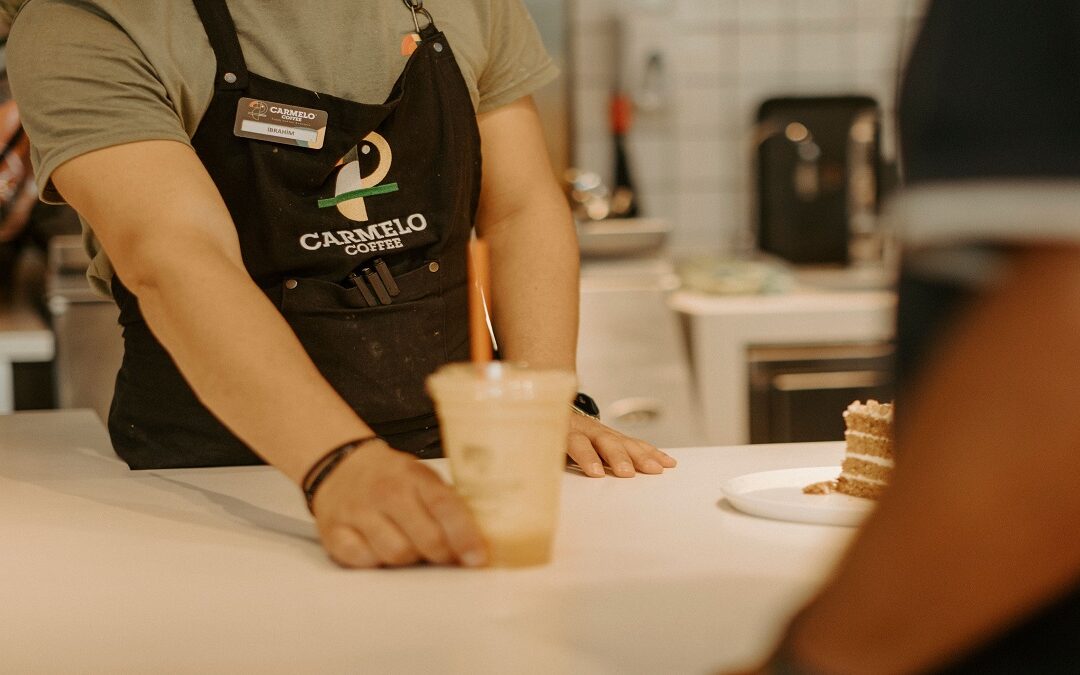
Is There VAT on Restaurant Food? UK Rules for Eating In, Takeaway and Drinks (2026/27)
Quick answer
Is there VAT on restaurant food? Yes. Food and drink you eat at a restaurant, café or pub is charged at the standard 20% VAT rate. Takeaway food depends on temperature: hot takeaway is 20%, while most cold takeaway food is zero-rated. Menu prices in the UK must already include VAT.
Last reviewed: [INSERT REVIEW DATE] · Written by Marina Jahan · Reviewed by Shamayun Chowdhury, ACMA, CMA
Most food in a supermarket carries no VAT, so it surprises many people that the same sandwich can cost more once you sit down to eat it. The difference comes from how HMRC treats catering. This guide explains the rules for diners and for restaurant, café and takeaway owners, with clear examples for 2026/27.
Is there VAT on restaurant food? The short answer
Is there VAT on restaurant food in every case? For meals eaten on the premises, yes. HMRC treats them as catering, which is always standard-rated. Takeaway is where the rules split, as the table below shows.
| What you buy | VAT rate |
|---|---|
| Any meal or snack eaten at the restaurant, café or pub | 20% |
| Hot takeaway food (fish and chips, curry, pizza, hot pasties) | 20% |
| Cold takeaway food (sandwiches, salads, cold rolls) | 0% in most cases |
| Hot drinks (coffee, tea, hot chocolate), eat in or take away | 20% |
| Soft drinks, bottled water and alcohol | 20% |
| Crisps, confectionery and ice cream | 20% |
| Delivered food | Follows the takeaway rule: hot 20%, cold usually 0% |
So the answer depends on two questions: where the food is eaten, and whether it is hot. If it is eaten on the premises, it is 20% regardless of temperature. If it is taken away, temperature and the type of item decide the rate.
VAT on eating in: why restaurant meals are always 20%
When you eat in, the restaurant is supplying a service, not just food. That service, called catering, is standard-rated, so every item on the bill carries 20% VAT.
HMRC’s view is simple. If a business provides somewhere for you to eat, such as tables, chairs or a counter, the food you eat there counts as catering. This applies to restaurants, cafés, pubs, food courts and canteens open to the public.
Seating areas, including shared and outdoor spaces
The seating does not have to belong to the business alone. Tables in a shared food court, or benches outside that customers are allowed to use, can still make the sale standard-rated. If a customer eats a cold sandwich at your outdoor table, it is an eat-in sale at 20%, even though the same sandwich would be zero-rated as takeaway.
Do restaurants charge VAT on every bill?
A VAT-registered restaurant must charge VAT on every eat-in sale, and the prices on its menu must already include it. You will not see VAT added at the end of the bill. To find the VAT inside a price, divide by six. A £60 bill, for example, includes £10 of VAT and £50 for the food and drink itself.
Smaller restaurants with taxable turnover below the registration threshold do not have to charge VAT at all. That is one reason why prices can vary between similar places. So, is there VAT on restaurant food at a small family café? Only if the business is VAT-registered.
Is there VAT on restaurant food to take away? Hot vs cold
VAT on takeaway food depends mainly on temperature. Hot takeaway food is standard-rated at 20%. Cold takeaway food is usually zero-rated, unless the item is one that is always standard-rated, such as crisps or a can of cola.
This is the area where most takeaway VAT mistakes happen, because the same kitchen can sell items at two different rates in one order. HMRC uses a set of tests to decide whether food counts as hot.
HMRC’s hot food tests in plain English
Takeaway food is treated as hot, and charged at 20%, if it is above room temperature when you hand it over and any of the following apply:
- It was heated so that the customer can eat it hot.
- It is kept hot after cooking, for example in a hot cabinet or under heat lamps.
- It is sold in packaging designed to keep it warm.
- It is advertised or marketed as hot food.
Food that is freshly baked and simply cooling down, such as bread straight from the oven, can stay zero-rated, provided it is not kept warm or sold as hot.
Cold takeaway: mostly zero-rated, with exceptions
A cold sandwich, salad or cold side dish taken away is normally zero-rated. However, some items are standard-rated whichever way they are sold:
- crisps and similar savoury snacks;
- chocolate, sweets and other confectionery;
- ice cream and frozen desserts;
- soft drinks, bottled water and alcohol.
Worked example: a takeaway order (illustrative)
A customer collects a chicken curry (£9.60) and pilau rice (£3.00), both hot, plus a cold side salad (£2.40) and a can of cola (£1.20). The total is £16.20. The curry, rice and cola are standard-rated, so the VAT inside them is £1.60, £0.50 and £0.20: £2.30 in all. The cold salad is zero-rated. If the same order were eaten in, VAT would apply to the salad as well, adding another £0.40.
So is there VAT on restaurant food you collect? Only on the hot items and the extras that are always standard-rated. Our guide to VAT on food covers supermarket and grocery items.
Is there VAT on coffee? Cafés and hot drinks
Yes. Hot drinks such as coffee, tea and hot chocolate are standard-rated at 20%, whether you drink them in the café or take them away. Coffee beans, ground coffee and tea bags bought to make at home are zero-rated.
So is coffee vatable? It depends on what you are buying. A latte from a coffee shop is a hot beverage and always carries VAT. A bag of coffee beans from the same shop is food and carries none. The VAT on coffee therefore comes from the preparation and heating, not the product itself.
Is there VAT on restaurant food served in a café? Yes: cafés face the same eat-in rule as restaurants. A cold pastry or sandwich is zero-rated if the customer takes it away, but standard-rated if they eat it at one of your tables. Many cafés ask “eat in or take away?” for exactly this reason. The answer changes the VAT on cold food, even though the price on the board may stay the same.
What do VAT codes on café receipts mean?
Many coffee chains print a letter or symbol next to each item on the receipt, with a VAT summary at the bottom. If you are searching for something like Costa Coffee VAT codes, the idea is the same across most till systems:
- S or a similar mark: standard-rated at 20%.
- Z: zero-rated at 0%.
- E: exempt from VAT.
The exact letters vary by till provider, so check the key printed on the receipt itself. If you need a VAT receipt for business expenses, ask for one that shows the supplier’s VAT number. That matters for a business asking: is there VAT on restaurant food that we can reclaim? Section 4 covers the answer.
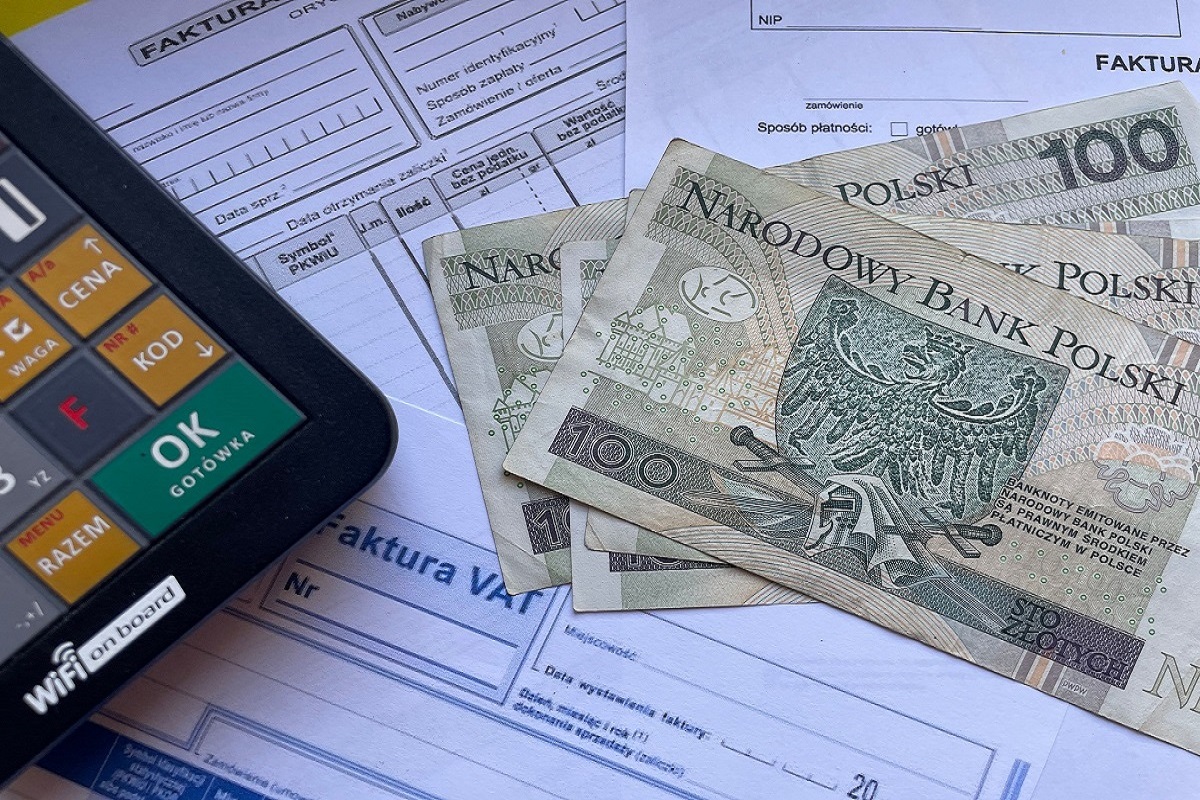
VAT on drinks and alcohol in restaurants
Almost every drink sold in a restaurant carries 20% VAT. Alcohol, soft drinks, bottled water and hot drinks are all standard-rated, whether you drink them at the table or take them away.
Is there VAT on alcohol? Always, at the standard rate. Wine, beer, spirits and cider are standard-rated in shops, pubs and restaurants alike, so there is no takeaway exception. Beer VAT works the same way: VAT on beer or a glass of wine is charged on top of alcohol duty, which the producer or importer pays before the drink reaches the bar.
Soft drinks follow the same rule. Cola, juice, squash and bottled water are standard-rated even when cold and taken away. The only common drink with no VAT is tap water given free of charge, because there is no sale.
For diners asking is there VAT on restaurant food and drink, the drinks often make up a large share of the VAT on a bill. For owners, it means alcohol VAT and soft drink sales should always go through the till at 20%.
Service charges, tips and VAT
A compulsory service charge forms part of the price of the meal, so VAT is due on it. A genuinely optional service charge or a voluntary tip is outside the scope of VAT.
- Compulsory service charge. If the charge is added automatically and customers must pay it, it is standard-rated, just like the food.
- Optional service charge. If customers are told they can remove it and it is truly voluntary, no VAT is due on it.
- Tips. Money customers choose to leave, in cash or by card, is outside the scope of VAT.
Tips still matter for other taxes. Since October 2024, employers must pass all tips to their workers fairly, and tips are taxable income for the staff who receive them. Whether National Insurance applies depends on how the tips are shared out, for example through an independent tronc.
VAT on delivery and food apps
Is there VAT on restaurant food delivered to your door? Delivered food follows the takeaway rules. Hot food delivered to a customer is standard-rated at 20%, and cold food is usually zero-rated. A delivery charge normally takes the same VAT treatment as the food it comes with.
When a restaurant sells through a delivery app, the restaurant usually makes the sale to the customer, so it accounts for VAT on the food. The app then charges the restaurant a commission, which normally includes 20% VAT. A VAT-registered restaurant can usually reclaim that VAT on the commission, provided it holds a valid VAT invoice from the platform.
Check your platform agreement, as some arrangements treat the app as the seller. The terms decide who accounts for the VAT on each order.
Is there VAT on restaurant food for small businesses? What owners need to know
Is there VAT on restaurant food sold by a small business? Only once the business is VAT-registered. After that, getting the hospitality VAT rules right on every sale is essential, because HMRC checks catering businesses closely.
When you must register
You must register for VAT if your taxable turnover goes over £90,000 in any rolling 12-month period, or if you expect it to pass that figure within the next 30 days alone. You can also register voluntarily below the threshold.
The Flat Rate Scheme for catering
Smaller businesses can use the Flat Rate Scheme, paying a fixed percentage of their VAT-inclusive turnover instead of working out VAT on every purchase. The rate for catering services, including restaurants and takeaways, is 12.5%. Businesses that spend very little on goods may have to use the higher limited cost trader rate of 16.5% instead.
Common VAT mistakes in restaurants and takeaways
- Zero-rating cold food that customers actually eat on the premises.
- Coding hot takeaway food as cold on the till.
- Zero-rating soft drinks, crisps or confectionery sold with a cold order.
- Charging no VAT on a compulsory service charge.
The temporary reduced hospitality rate of 5%, and later 12.5%, ended on 31 March 2022. Since then, standard-rated catering has been back at 20%. So is there VAT on restaurant food today? Yes, at the full standard rate. Our VAT services team can check your till settings and returns.
Is there VAT on restaurant food: FAQs
Do restaurants charge VAT on food in the UK?
Yes, if they are VAT-registered. All food and drink eaten on the premises is charged at 20%.
Is VAT included in menu prices?
Yes. Prices shown to customers must include VAT, so it is never added at the end of the bill. Divide the price by six to see the VAT inside it.
Is takeaway food VAT-free?
Only cold takeaway food, and not all of it. Hot takeaway is 20%, and crisps, sweets, ice cream and soft drinks are 20% even when cold.
Is there VAT on coffee to take away?
Yes. Hot drinks are standard-rated whether you drink them in or take them away. Only coffee beans and ground coffee for home use are zero-rated.
Is there VAT on alcohol in a restaurant?
Yes, always at 20%. There is no reduced rate for alcohol, whether it is served at the table or sold to take away.
Do I pay VAT on a service charge?
Only if it is compulsory. A truly optional service charge or a tip has no VAT.
Can a business reclaim VAT on a restaurant meal?
It depends on who eats. VAT on entertaining clients cannot be reclaimed. VAT on staff meals while travelling for work, or on a staff party, usually can, with a valid VAT receipt.
Is there VAT on restaurant food in Scotland and Northern Ireland?
Yes. VAT is a UK-wide tax, so the same 20% rate and the same eat-in and takeaway rules apply in England, Scotland, Wales and Northern Ireland.
Final verdict: is there VAT on restaurant food?
Is there VAT on restaurant food? Yes. Anything you eat or drink on the premises is charged at 20%, already included in the menu price. Takeaway food is 20% when hot and usually zero-rated when cold, with exceptions for drinks, crisps and sweets.
For diners asking is there VAT on restaurant food, that explains why the same sandwich can cost more when you sit down. For restaurant, café and takeaway owners, it means every till button must match the right rate. When owners ask is there VAT on restaurant food sold at their tills, the answer is yes, on every eat-in sale.
Your next steps (for owners)
- Check each till button: eat in, hot takeaway and cold takeaway.
- Make sure drinks, crisps and sweets are always coded at 20%.
- Review whether your service charge is optional or compulsory.
Run a restaurant, café or takeaway?
Major Accountancy can review your till settings, file your VAT returns and check whether the Flat Rate Scheme saves you money.
About the author and reviewer
Written by Marina Jahan
Senior Content Strategist, SEO and Marketing Specialist · Major Accountancy Ltd
Marina writes plain-English guides to UK tax and VAT, researched from GOV.UK and HMRC sources. [ADD: years of experience and any relevant qualification, only if held.]
Technically reviewed by Shamayun Chowdhury
BA (Hons), MSc, ACMA, CMA, CIPFA (Affil), MAAT, AATQB
Senior Accountant, Leicester · Director, Major Accountancy Ltd · Lecturer, Nottingham Trent University · 15+ years’ UK practice
Checked against GOV.UK in October 2026. General information, not personal VAT advice.